metallic epoxy garage floor
Why You Should Coordinate Your Metallic Epoxy Garage Floor With Your EV Charger or Switchboard Upgrade
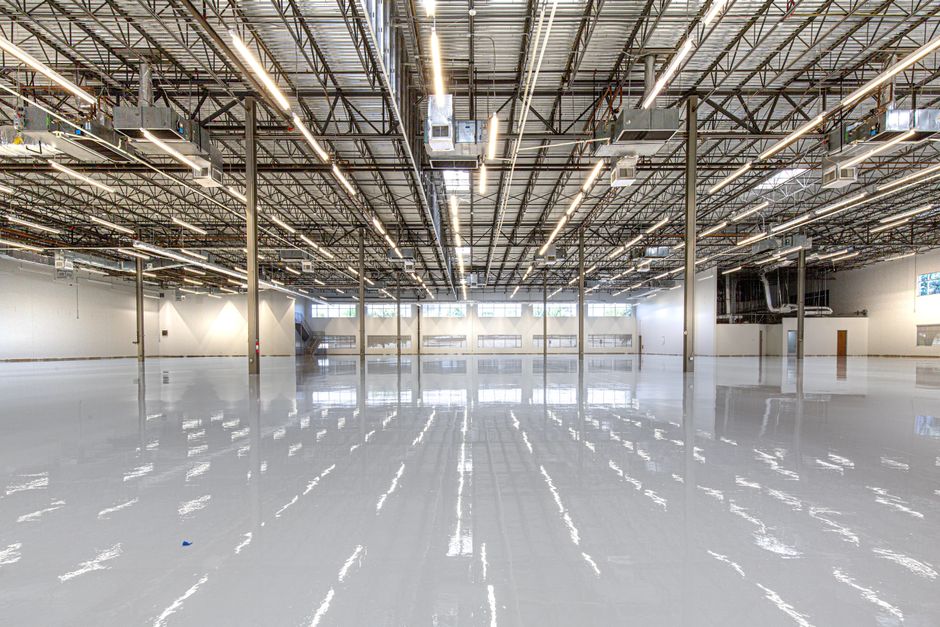
When Sydney homeowners plan a garage upgrade, two major projects often end up on the same wishlist: installing a metallic epoxy garage floor and upgrading the electrical system for an EV charger or new switchboard. What most people don't realise is that the order and timing of these projects matters more than almost anything else — and experienced Level 2 electricians will almost always recommend coordinating them together.
Why Electricians Recommend Timing Your Metallic Epoxy Garage Floor With Electrical Upgrades
A metallic epoxy garage floor is one of the most striking and durable finishing choices available for residential garages. The seamless, high-gloss surface reflects light beautifully and creates a showroom-quality result that genuinely transforms the space. But that same seamless finish is also its vulnerability when tradespeople come back through after the fact.
Once a metallic epoxy coating has fully cured, it becomes an extremely hard, chemically bonded surface that is difficult — and expensive — to repair if it gets scratched, gouged, or contaminated by subsequent trades. When an electrician needs to run conduit across a garage floor, core through a slab, or install flush cable management for an EV charger circuit, doing that work after the epoxy has been laid almost inevitably causes damage or requires costly workarounds.
This is exactly why Level 2 electricians at Castellano Electrical routinely advise customers to sequence their projects carefully. Completing any switchboard upgrades, underground cable runs, or EV charger conduit installations before the epoxy installer arrives means:
- No penetrations or cable routes through a finished floor
- Cleaner, more professional-looking conduit placement
- No risk of epoxy contamination on prepainted metal enclosures or conduit fittings
- Significant cost savings by avoiding rework from both trades
It's a small planning decision that protects a significant investment on both sides of the project.
What a Level 2 EV Charger or Switchboard Upgrade Actually Involves
Before you start planning your metallic epoxy garage floor, it pays to understand what a Level 2 electrical upgrade actually requires — because the scope is bigger than most homeowners expect. A Level 2 Authorised Service Provider (ASP) is the only type of electrician licensed to work on the network assets between the street and your meter. That includes the service line, metering equipment, and the connection point itself — all of which are typically involved when you upgrade to a dedicated EV charging circuit or increase your switchboard capacity.
A standard Level 2 EV charger installation generally involves:
- Assessing your existing service capacity — a 7 kW to 22 kW home charger draws significantly more current than a standard power point, so the incoming supply must be able to handle it
- Upgrading the switchboard — older boards often lack the circuit breakers, earthing, or spare capacity needed for a dedicated EV circuit
- Applying to the network distributor — whether you're on the Ausgrid or Endeavour Energy network, a formal application is required before any upgrade to the service mains
- Installing the charger circuit and mounting hardware — typically on a garage wall, coordinated with your general electrician
A single-phase to three-phase upgrade follows a similar process, but involves replacing the incoming service entirely — a job that requires network approval, metering changes, and physical work on the street-side infrastructure.
What this means practically is that walls may need to be opened, conduit may need to be run through the garage slab or along walls, and mounting positions need to be confirmed before any floor coating work begins. Getting the sequencing right is exactly why coordinating your metallic epoxy garage floor installation with these upgrades is worth thinking through carefully from the start.
How a Metallic Epoxy Garage Floor and Electrical Upgrades Can Get in Each Other's Way
A metallic epoxy garage floor looks straightforward on paper, but the installation process involves far more preparation and curing time than most homeowners anticipate — and that timeline collides directly with what electricians need to do on the same slab. Understanding where these two trades physically intersect is the first step toward avoiding costly delays.
The Sequence Problem
Epoxy coating requires the concrete to be mechanically ground, acid-etched, and completely free of moisture before the base coat goes down. Electricians running conduit to a new EV charger or switchboard upgrade often need to:
- Core-drill through the slab to route underground cabling
- Chase or surface-mount conduit along the garage floor perimeter
- Install in-slab conduit if the garage is still at construction stage
If the epoxy goes down first, any subsequent drilling or grinding immediately damages the finished surface. If the electrical rough-in happens after the epoxy is cured, installers risk cracking the coating or introducing contamination that prevents proper adhesion on patch areas.
Dust, Moisture, and Cure Times
Concrete grinding produces fine silica dust that settles inside open switchboards and conduit ends — a real problem for a Level 2 electrician completing a service upgrade or new connection. Equally, epoxy outgassing during the cure period can affect newly installed equipment if the garage isn't properly ventilated. Most quality epoxy systems require 48 to 72 hours of uninterrupted curing, during which no vehicle traffic, no heavy equipment, and ideally no trades should be working in the space.
Coordinating these timelines up front — rather than letting each contractor book independently — is precisely why experienced Sydney electricians flag the issue early. A single site visit that aligns both scopes can save a week of rework and protect both finished surfaces and new electrical infrastructure.
Coordinating Trades: The Right Order of Operations for Your Metallic Epoxy Garage Upgrade
When you're planning a metallic epoxy garage floor installation alongside an EV charger or switchboard upgrade, sequencing your trades correctly isn't just convenient — it's essential for protecting the quality of both jobs. Get the order wrong and you risk damaging a freshly coated floor, delaying your network connection, or having your electrician work around obstacles that shouldn't be there.
Here's how experienced project coordinators — and the Level 2 electricians at Castellano Electrical — typically recommend staging the work:
- Step 1 — Level 2 electrical assessment first: Before any floor preparation begins, have your Level 2 ASP electrician inspect the garage, confirm the switchboard upgrade scope, and lodge any required applications with Ausgrid or Endeavour Energy. Network approvals can take time, and starting this process early prevents costly delays down the track.
- Step 2 — Conduit and rough-in work: All sub-slab conduit runs, wall penetrations, and EV charger rough-in wiring should be completed before the epoxy coating goes down. Once that metallic epoxy garage floor is cured, cutting through it to chase conduit is expensive and messy.
- Step 3 — Surface preparation and epoxy application: With the electrical rough-in signed off and out of the way, the floor coating team has a clean, unobstructed slab to work with. They can grind, prime, and apply without working around cable runs or tripping hazards.
- Step 4 — Final electrical fit-off and connection: Once the floor has fully cured (typically 48–72 hours minimum), the electrician returns to complete the EV charger installation, switchboard fit-off, and arrange the live service connection.
This sequencing applies whether you're a homeowner managing a single renovation or a builder coordinating multiple trades on a new build. Castellano Electrical works closely with builders and developers across Sydney to align electrical milestones with other trades — visit our full services page to see how we can fit into your project timeline.
Cost and Convenience Benefits of Bundling a Metallic Epoxy Garage Floor with Your Electrical Upgrade
When Sydney homeowners are already coordinating tradespeople for an EV charger installation or switchboard upgrade, adding a metallic epoxy garage floor to the same project window makes strong financial and logistical sense. Bundling both upgrades under one renovation timeline consistently reduces overall costs and eliminates the frustration of repeated disruptions to your household.
Here is why the numbers work in your favour:
- Shared call-out and setup costs. Mobilising tradespeople — whether it is a Level 2 ASP electrician from a team like Castellano Electrical or a specialist floor installer — carries a fixed cost. Scheduling both crews within the same project period means you pay those setup costs once, not twice.
- One-time garage clearing. Moving vehicles, shelving and stored equipment out of the garage is disruptive. Do it once and both the electrical work and the floor coating can be completed before everything goes back.
- Avoiding floor damage after installation. Conduit runs, cable trenching and wall penetrations required for EV chargers can chip or crack a finished floor coating. Completing the electrical rough-in first protects your investment in the finished surface.
- Faster council and network approvals. Ausgrid and Endeavour Energy applications for service upgrades take time to process. That approval window is an ideal opportunity to schedule your floor installation, keeping the overall project timeline tight.
Practically speaking, most Sydney homeowners who coordinate both projects report completing the entire garage transformation in a single week, compared to three to four weeks when the work is staged separately. For busy households, that difference in downtime is significant. The combined result — a certified EV charging setup and a finished, durable floor — also adds measurable value to the property, making the coordinated approach a straightforward decision for anyone planning either upgrade.
Choosing the Right Contractors for Your Metallic Epoxy Garage and Electrical Upgrade
Pulling off a seamless garage renovation — one that combines a stunning metallic epoxy garage floor with a fully upgraded electrical system — comes down to contractor selection and sequencing. Getting both wrong can mean costly rework, scheduling blow-outs, and a finished floor that ends up damaged before you've parked the car.
Here's what to look for and plan around:
- Engage your Level 2 electrician first. Switchboard upgrades and EV charger connections require network approval from Ausgrid or Endeavour Energy, which takes time. Locking in your Level 2 ASP early means the electrical rough-in is complete and walls are closed before the epoxy crew arrives.
- Choose an epoxy installer with commercial experience. A metallic epoxy garage floor involves multiple layers, precise moisture testing, and cure times that can span several days. Confirm your installer has done garage-specific work, not just warehouse slabs.
- Communicate the schedule between trades. Your electrician and epoxy contractor don't need to overlap — in fact, they shouldn't. Conduit, drainage channels, and any floor penetrations must be finalised before the first coat goes down.
- Check warranties and licensing. A reputable Level 2 electrician will carry appropriate public liability insurance and offer a workmanship warranty. Verify the same standards from your flooring contractor.
- Plan for access and ventilation. Epoxy curing and electrical cable runs both benefit from good airflow. Factor this into your timeline, particularly in enclosed Sydney garages during warmer months.
A well-coordinated renovation delivers a garage that works as hard as it looks — safe, functional, and genuinely future-proofed for EV ownership.
From switchboard upgrades and new EV charger connections through to the finishing touches of a metallic epoxy floor, the smartest garage renovations in Sydney are the ones where the electrical work leads the way. Coordinate your Level 2 ASP electrician early, sequence your trades carefully, and the result is a space that adds real value — to your home, your daily routine, and your capacity to embrace what's coming next in electric vehicle technology.
Written by Anthony Castellano
Founder & Level 2 ASP Electrician. More about Anthony.