dance studio lighting
Lighting Design for Dance Studios: How Electricians Help Ballroom Venues Create the Perfect Ambience
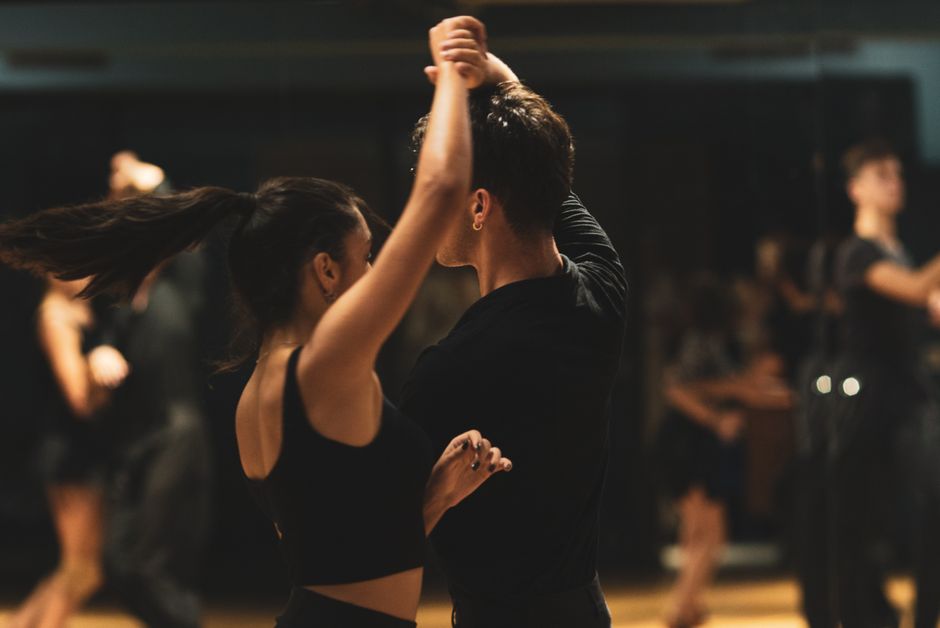
From dimmable circuits to emergency exit compliance, getting the lighting right in a dance venue is far more complex than most people realise — and it's a job where a qualified electrician's expertise makes all the difference. This article walks through everything Sydney venue owners need to know about lighting design for dance studios.
Why Ballroom Dancing Venues Have Unique Lighting Demands
Ballroom dance is a performance art as much as it is a social activity, and the venues that host it must serve a surprisingly wide range of functions within the same four walls. Unlike a standard commercial fitout, a ballroom dancing venue needs lighting that can shift from bright, even illumination during group lessons to warm, atmospheric layering for a Saturday night social — sometimes within minutes of each other.
Multiple Modes, One Space
Consider what a typical ballroom dancing studio needs to accommodate across a single week:
- Teaching and rehearsal — high, consistent light levels so instructors can correct posture and footwork without shadows interfering
- Competitive practice — dramatic directional lighting that mirrors the stage conditions dancers will perform under
- Social dances and events — warm, dimmable ambience that flatters dancers and creates the right mood
- Hire and private functions — flexible control zones that let clients personalise the space
Each of these modes places genuinely different demands on the electrical infrastructure. Achieving them all requires more than choosing attractive fittings — it requires carefully designed circuits, properly rated dimmers, and control systems that give venue staff real flexibility without compromising safety.
Add to this the reflective surfaces common in ballroom spaces — polished timber floors, mirrored walls, and high ceilings — and you have an environment where poorly planned lighting creates glare, uneven pools of light, and significant discomfort for dancers and spectators alike. Getting the fundamentals right from the electrical side is the essential first step.
Dimmable Circuits and Scene Control for the Ballroom Dancing Floor
For any venue dedicated to ballroom dancing, the ability to shift the atmosphere instantly — from the bright, even wash needed during a group lesson to the warm, intimate glow of a Saturday night social — is not a luxury. It is a core operational requirement. That capability starts with correctly designed and installed dimmable circuits.
A qualified electrician can install dedicated dimmer circuits that give venue managers true scene control, rather than a basic on/off switch. The key components of a well-engineered system typically include:
- DALI or DMX control systems — industry-standard protocols that allow multiple lighting zones across the dance floor, stage, and perimeter to be adjusted independently from a single control panel or tablet.
- LED-compatible dimmers — modern LED fittings require dimmers rated specifically for low-load operation; mismatched dimmers cause flickering, buzzing, and premature globe failure.
- Zoned circuit separation — splitting the floor lighting, feature wall lighting, and overhead ambient circuits means each can be faded independently without affecting the others.
- Preset scene memory — programmable controllers allow instructors or front-of-house staff to recall saved lighting scenes at the touch of a button, eliminating manual adjustments between classes.
From an electrical infrastructure standpoint, dimmable scene control often demands a service upgrade or load assessment before installation. Adding dedicated lighting circuits, control cabling, and a dimmer rack to an older venue can push the existing switchboard beyond its rated capacity. An electrician assessing the job early in a fitout or renovation can identify whether a single-to-three-phase upgrade or a subboard addition is required — work that falls squarely within the scope of a Level 2 authorised service provider.
Getting the circuitry right from the start protects both the lighting investment and the safety of everyone on the floor.
Colour Temperature, Beam Angles and the Aesthetic Heart of Ballroom Dancing
When it comes to ballroom dancing, the visual atmosphere is almost as important as the music itself. Getting the lighting right means understanding two technical variables that electricians and venue owners need to discuss together: colour temperature and beam angle.
Choosing the Right Colour Temperature
Colour temperature is measured in Kelvins (K) and has a dramatic effect on how a space feels. For ballroom dancing venues, the sweet spot generally sits between 2700K and 3000K — a warm white range that flatters skin tones, makes sequined gowns shimmer under the light, and creates the romantic, elegant ambience dancers and audiences expect. Cooler whites (above 4000K) tend to feel clinical and harsh, stripping the magic out of even the most beautifully decorated ballroom.
Beam Angles: Wash, Spot or Something In Between?
Beam angle determines how tightly or broadly light is thrown across a surface. Ballroom dance floors benefit from a layered approach:
- Wide-angle wash fixtures (60°–120°) provide even, shadow-free illumination across the full dance floor — essential for judged competitions where every couple needs to be clearly visible.
- Narrow spot fixtures (15°–30°) can be directed toward feature areas such as a performance stage, trophy display or entry archway to create focal drama.
- Mid-range fixtures (40°–60°) suit general ceiling downlighting in dining or spectator areas adjacent to the floor.
Working With an Electrician on Aesthetic Outcomes
A qualified electrician doesn't just pull cable — they help position fittings, plan circuit zones and ensure dimmer compatibility so that beam angles and colour temperatures perform as intended across every lighting scene. Getting these conversations started early in a fit-out or renovation saves costly repositioning later and ensures the finished result genuinely elevates the ballroom dancing experience.
Wiring Infrastructure That Supports Flexible Lighting Rigs in Ballroom Dancing Venues
A ballroom dancing venue's lighting system is only as good as the electrical infrastructure hidden behind the walls and ceiling. Before any dimmer switch or LED fixture is installed, a qualified electrician needs to assess whether the existing wiring can handle the demands of a flexible, performance-grade lighting rig — and in many cases, the answer is that it cannot without a proper upgrade.
The key considerations for a robust lighting infrastructure include:
- Dedicated lighting circuits: Separating lighting loads from general power circuits prevents voltage fluctuations that cause visible flickering — a serious problem when dancers and judges rely on consistent, stable illumination.
- Multi-circuit zoning: Running independent circuits to different zones (dance floor, stage, perimeter, and feature lighting) allows each area to be controlled and dimmed independently without affecting the others.
- Adequate cable sizing: Undersized cabling creates resistance, heat, and compatibility issues with modern dimmable LED drivers. Correct cable gauge from the distribution board to each lighting position is non-negotiable.
- DMX and low-voltage control wiring: Many professional rigs use DMX-controlled fixtures. While DMX cabling is separate from mains wiring, it still needs to be planned and installed alongside the power infrastructure from the outset.
- Switchboard capacity: A venue upgrading from basic fluorescent lighting to a full performance rig may require a service upgrade to handle the additional load — something Castellano Electrical handles as a core Level 2 service.
Getting the infrastructure right at the start avoids costly retrofitting later. For venue owners working with builders on new fitouts or refurbishments, early collaboration with a licensed electrician is essential. Builders and developers working on commercial dance studio projects across Sydney can engage Castellano Electrical from the planning stage to ensure the wiring backbone supports every lighting ambition the venue has.
Emergency Lighting and Exit Sign Compliance in Ballroom Dancing Spaces
Any venue hosting ballroom dancing classes and social events must meet strict emergency lighting and exit sign requirements under the National Construction Code (NCC) and Australian Standard AS 2293. While mood lighting creates atmosphere on the dance floor, none of that ambience matters if an evacuation becomes necessary and dancers cannot safely find their way out.
Ballroom venues present specific compliance challenges that a qualified electrician needs to plan around carefully:
- Dimmed circuits must not suppress emergency lighting. Emergency luminaires and exit signs operate on dedicated circuits with battery backup, completely independent of the venue's dimmable lighting system. Miswiring these circuits is a common — and dangerous — mistake.
- Exit signs must remain visible at all times. AS 2293.1 requires maintained exit signs that stay illuminated during normal operation, not just during a power failure. In a dimmed ballroom environment, sign brightness and placement need careful attention to avoid glare while retaining clear sightlines.
- Spacing and lux levels are non-negotiable. Emergency escape lighting must provide a minimum of 10 lux along evacuation paths. Large open dance floors with minimal fixed walls require strategic luminaire placement to achieve compliant coverage without breaking the room's aesthetic.
- Testing and commissioning records must be kept. AS 2293.2 mandates regular inspection and 90-minute discharge testing. A licensed electrician should set up a testing schedule and maintain logbooks on-site.
Working with an experienced Sydney electrician from the outset means emergency systems are integrated into the lighting design plan — not bolted on as an afterthought. Proper circuit segregation, battery-backed fittings, and compliant exit sign placement protect both guests and venue operators, ensuring that a beautiful evening of dancing never turns into a compliance liability.
Choosing the Right Electrician for Your Ballroom Dancing Venue
Not every licensed electrician has experience designing and installing the layered, performance-grade lighting systems that a ballroom dancing venue demands. Choosing the right professional from the outset saves costly rework and ensures every circuit — from dimmable dance-floor lighting to emergency exit signage — meets Australian standards and network requirements.
- Verify Level 2 ASP accreditation. If your studio upgrade involves a service upgrade, additional load, or a new connection to the Ausgrid or Endeavour Energy network, you legally need a Level 2 Authorised Service Provider. A standard electrician cannot carry out this network-side work.
- Ask about commercial and entertainment experience. Request examples of similar projects — studios, theatres, or hospitality venues — where the electrician has installed dimmable circuits, DMX control wiring, or three-phase distribution boards.
- Confirm 24/7 availability. Dance studios often operate evenings and weekends. An electrician who offers after-hours emergency response means a tripped circuit or failed emergency lighting won't cancel a packed Saturday class.
- Check public liability cover. A reputable contractor should carry significant public liability insurance — $20 million is an industry benchmark — protecting your venue and your clients.
- Get a detailed, itemised quote. Transparent pricing covering switchboard upgrades, dimmer installations, emergency lighting circuits, and any network application fees helps you budget accurately and avoids surprise costs later.
Working with a contractor who combines Level 2 ASP credentials with genuine commercial lighting expertise gives ballroom dancing venues the best of both worlds: compliant network connections and a beautifully engineered lighting environment that elevates every performance.
From the warmth of dimmable floor lighting to the reliability of compliant emergency exits, great lighting design is one of the most powerful investments a dance studio can make. With the guidance of a qualified electrician — ideally one holding Level 2 accreditation for any service or switchboard work — venue owners can create an atmosphere that inspires dancers, impresses guests, and meets every safety obligation the Australian standards require.
Written by Anthony Castellano
Founder & Level 2 ASP Electrician. More about Anthony.