dance studio lighting
Dance Studio Lighting Installation Cost: A Complete Guide for Sydney Studio Owners
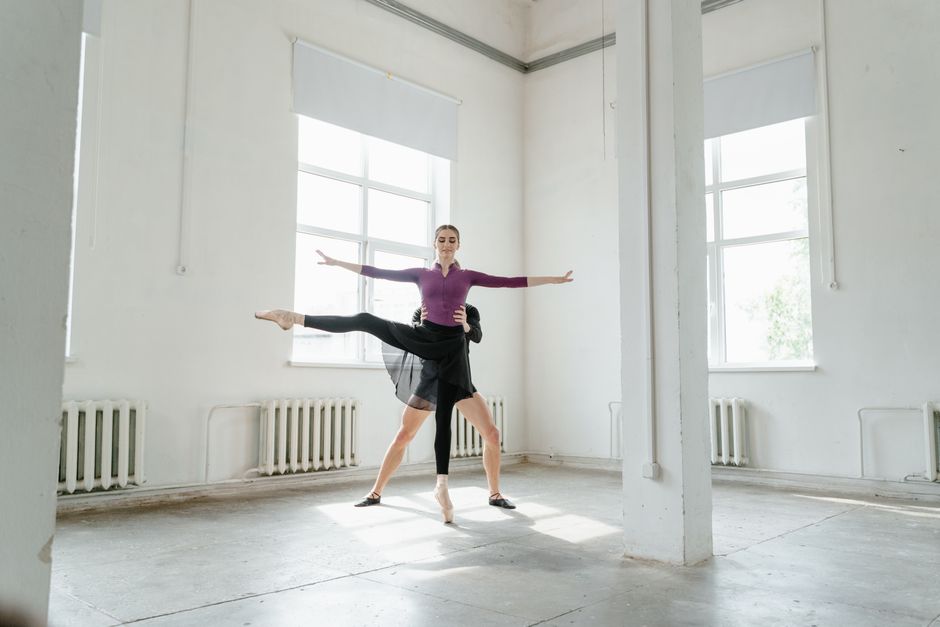
Installing the right lighting in a dance studio does more than set the mood — it affects performer safety, energy consumption, and long-term running costs. This guide breaks down everything Sydney studio owners and builders need to know before booking an electrician.
Average Dance Studio Lighting Installation Costs
Dance studio lighting installations in Sydney typically range from $1,500 to $12,000+, depending on the size of the space, the fixture types chosen, and the complexity of the electrical work involved. Here is a general breakdown of what studios can expect to pay:
| Studio Size | Fixture Type | Estimated Cost Range | | --- | --- | --- | | Small studio (up to 50m²) | Basic LED panels | $1,500 – $3,500 | | Medium studio (50–120m²) | LED strips + dimmable downlights | $3,500 – $7,000 | | Large or commercial studio (120m²+) | Full lighting system with controls | $7,000 – $12,000+ |
These figures cover standard labour, cabling, switchboard connections, and basic fixture supply. Several factors can push costs higher:
- Switchboard upgrades — older boards may need to be replaced or expanded to handle additional lighting circuits safely
- Three-phase power requirements — larger studios with extensive theatrical or LED stage lighting may require a service upgrade
- Dimmer and smart control systems — programmable lighting adds both functionality and installation complexity
- Ceiling height — high or raked ceilings demand specialised access equipment, adding to labour time
It is worth noting that licensed electricians in Sydney are required for all fixed wiring work under Australian standards. Attempting to cut costs with unlicensed labour is not only illegal — it can void your building insurance and create serious safety risks for everyone using the space.
Key Factors That Affect Your Total Price
Dance studio lighting isn't a one-size-fits-all job, and the final cost on your invoice will depend on several variables that any experienced Sydney electrician will assess before putting together a quote. Understanding these factors helps you budget more accurately and avoid surprises once work begins.
- Studio size and ceiling height: A larger floor area means more fixtures, more cable runs, and more labour hours. High ceilings — common in converted warehouses and heritage buildings — also add complexity and may require specialised access equipment.
- Type of lighting system: Basic fluorescent or LED battens cost far less to install than a fully programmable DMX or DALI dimming system. If your studio needs colour-changing LEDs or theatrical-grade control panels, expect the electrical scope to increase significantly.
- Existing wiring and switchboard condition: Older studios in Sydney's inner suburbs often have outdated wiring or undersized switchboards that can't safely support modern lighting loads. Upgrading the switchboard or running new circuits adds to the overall cost but is non-negotiable for compliance and safety.
- Number of circuits and control zones: Splitting the studio into separate zones — for example, a main floor zone, a mirror wall zone, and a reception area — requires additional circuits, switches, and potentially a more capable distribution board.
- Access and site conditions: Ground-floor studios in new builds are straightforward. Tenancies on upper floors, sites with limited cable access points, or buildings requiring after-hours work will all influence the final labour cost.
- Compliance and inspection requirements: Any new electrical installation in NSW must meet AS/NZS 3000 wiring standards and may require a Certificate of Compliance. Factor this into your planning from the start.
Getting a proper on-site assessment before committing to a budget is the most reliable way to account for all of these variables specific to your premises.
Types of Lighting Systems and Their Costs
Choosing the right lighting system is one of the most consequential decisions in any dance studio fitout. Each technology comes with a different upfront cost, energy profile, and long-term maintenance burden — and the gap between options is significant enough to shape your entire electrical budget.
- LED Panel and Strip Lighting: The most popular choice for modern dance studios in Sydney. LED systems typically cost between $150–$400 per fitting (supply and install), offer excellent colour rendering, and generate minimal heat on the floor — a real comfort advantage during long sessions. Dimming compatibility does add cost but is usually worth it.
- Fluorescent Tube Systems: Still found in older studios, fluorescent lighting runs $80–$180 per fitting installed. Lower upfront cost, but higher energy bills and a shorter lifespan mean the savings erode quickly. Flickering at certain frequencies can also be disorienting for dancers.
- Theatrical and Stage Lighting Rigs: Studios that double as performance spaces often invest in DMX-controlled theatrical rigs. These systems can range from $3,000 to $15,000+ depending on complexity, the number of fixtures, and whether a dimmer board or smart controller is included.
- Track Lighting: A flexible mid-range option at $200–$600 per track run installed, allowing repositionable heads to suit different class formats or mirror layouts.
Beyond the fittings themselves, switchboard capacity is a critical cost factor. High-wattage theatrical rigs or multiple dimmer circuits often require a service upgrade before installation can proceed safely. If your studio is in Greater Sydney, it's worth checking our full range of electrical services to understand what's involved — or visiting the Castellano Electrical blog for practical guidance on commercial electrical upgrades.
Hiring an Electrician vs DIY Installation for Your Dance Studio
When it comes to installing lighting in a dance studio, the temptation to cut costs with a DIY approach is understandable — but it comes with serious risks. In New South Wales, electrical work is regulated, and most wiring, switchboard modifications, and hardwired fixture installations must be carried out by a licensed electrician. Attempting unlicensed electrical work can void your insurance, create safety hazards, and result in significant fines.
Here's a practical breakdown of what you can and cannot do yourself:
- DIY-appropriate tasks: Replacing plug-in LED strip lights, repositioning portable fixtures, or installing battery-operated spotlights along mirrors. These require no wiring and carry minimal risk.
- Licensed electrician required: Installing new hardwired downlights or track lighting, running new circuits from the switchboard, upgrading to a three-phase supply for high-load theatrical rigs, and any work inside the meter box or distribution board.
Beyond legal compliance, a professional electrician brings real value to a dance studio project. Studios often run high-wattage dimmer systems, motorised rigs, and continuous-use LED arrays — all of which place sustained load on circuits. An experienced electrician will size circuits correctly, select appropriate switchgear, and ensure your installation meets AS/NZS 3000 wiring standards.
For larger studios or new builds, a Level 2 electrician may also be needed if your fit-out requires a new service connection or a single-to-three-phase upgrade from the street — work that requires direct authorisation from Ausgrid or Endeavour Energy and cannot be done by a standard electrician.
Hiring a qualified professional protects your investment, your insurance policy, and most importantly, the safety of everyone using the space. Always request a written quote and confirm your electrician holds a current NSW electrical contractor licence before work begins.
Ways to Save Money on Dance Studio Lighting Installation
Dance studio lighting doesn't have to break the budget. With some smart planning and the right professional guidance, you can achieve a high-quality result while keeping costs firmly under control.
- Plan your layout before installation begins. Last-minute changes to fixture positions or circuit designs are one of the biggest cost drivers on any electrical job. Work with your electrician upfront to finalise a lighting plan so there's no doubling up on labour.
- Choose LED from the start. LED fittings cost more at the point of purchase but consume significantly less power and last far longer than fluorescent or halogen alternatives. Over a studio's lifetime, the savings on energy bills and replacement globes are substantial.
- Upgrade wiring and switchboards in one visit. If your switchboard needs attention anyway, combining that work with your lighting installation avoids multiple call-out fees and reduces total labour hours.
- Consider a staged installation. If budget is tight, install core overhead lighting first and add feature or performance lighting in a later stage. A good electrician can rough-in conduit and cabling during the first stage so future additions are quicker and cheaper.
- Get multiple quotes. Pricing across Sydney electrical contractors can vary meaningfully. Comparing two or three detailed quotes gives you a realistic benchmark and negotiating position.
- Check for rebates and incentives. The NSW government periodically offers energy-efficiency rebates for commercial LED upgrades. Ask your electrician whether your studio qualifies before committing to a product range.
- Use a licensed Level 2 electrician where service upgrades are needed. If your studio requires a single-to-three-phase upgrade or increased amperage to handle a larger lighting load, a Level 2 ASP can handle the network application and physical upgrade in one coordinated job — avoiding costly delays from dealing with multiple tradespeople.
Getting your dance studio lighting right is ultimately a balance between upfront investment and long-term performance. From understanding fixture costs and labour rates through to choosing the right circuit capacity and energy-efficient technology, every decision adds up. Working with an experienced, licensed electrician — one who can manage everything from the initial design through to any necessary service upgrades — is the surest way to get a result that's safe, compliant, and built to support your studio for years to come.
Written by Anthony Castellano
Founder & Level 2 ASP Electrician. More about Anthony.