ballroom dance floor
Ballroom Dance Floor Electrical Requirements: A Complete Guide for Sydney Venues
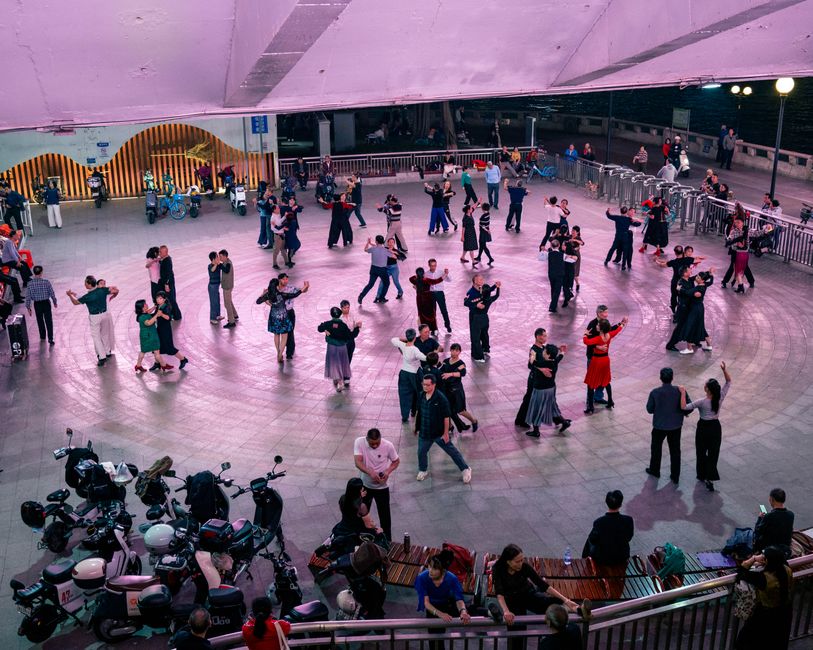
Planning a ballroom dance floor in Sydney involves far more than choosing the right timber or sprung surface — the electrical infrastructure beneath the event matters just as much as the aesthetics above it. This article walks through the key electrical requirements venue owners, builders, and event managers need to understand before fitting out or upgrading a ballroom space.
Understanding Power Load Requirements for Ballroom Dance Floors
A ballroom dance floor is one of the most electrically demanding indoor spaces a Sydney property can host. Unlike a standard commercial room, a ballroom simultaneously draws power across multiple high-load systems — and getting the calculations wrong can trip circuits mid-event or, worse, create a genuine safety hazard.
The core loads to account for include:
- Lighting rigs: Professional ballroom lighting — including moving heads, LED par cans, and dimmers — can draw anywhere from 10 to 40 amps depending on the scale of the installation.
- Audio and AV systems: Amplifiers, subwoofers, mixers, and projection equipment add significant continuous load, often underestimated during the planning phase.
- HVAC systems: A fully occupied dance floor generates substantial heat. Air conditioning units sized for ballroom capacity frequently require a dedicated three-phase circuit rather than a standard single-phase supply.
- Catering and bar equipment: If the floor adjoins a kitchen or bar area, refrigeration units, coffee machines, and induction cooktops compound the total load considerably.
For most ballroom venues in Greater Sydney, the combined load across these systems comfortably exceeds what a standard 63-amp single-phase service can supply. A service upgrade to three-phase power — or an increase in amperage capacity — is commonly required before any fit-out proceeds. This is especially relevant in older buildings where the existing switchboard and metering infrastructure may not have been designed for modern entertainment loads.
Just as engineers assess structural load-bearing capacity for physical access points, electricians must calculate cumulative electrical demand before a single fixture is installed — ensuring the supply infrastructure matches the venue's full operational requirements.
Lighting System Electrical Specifications and Wiring Standards
The lighting rig above a ballroom dance floor is far more demanding on your electrical infrastructure than most venue owners anticipate. Between programmable LED wash lights, rotating fixtures, spotlights, and dimmable ambient systems, a professional dance floor lighting setup can draw anywhere from 15 to 60 amps or more, depending on the scale of the installation. Getting the wiring right from the outset is critical — both for safety compliance and for protecting your equipment.
Key electrical specifications that apply to ballroom dance floor lighting systems include:
- Dedicated lighting circuits: Lighting loads should never share circuits with audio equipment or HVAC systems. Dedicated circuits prevent voltage fluctuations that can cause flicker, dimmer interference, and premature lamp failure.
- Dimmer-compatible wiring: Leading-edge and trailing-edge dimmers require wiring rated for the full continuous load, typically calculated at 80% of the circuit's maximum capacity to meet Australian Standard AS/NZS 3000.
- Three-phase distribution: Large venues with extensive rigging often require a three-phase supply to distribute lighting loads evenly and reduce the risk of overloading a single phase — something a licensed Level 2 electrician is authorised to connect and certify.
- Emergency lighting integration: Building Code of Australia requirements mandate separate emergency lighting circuits with battery backup, independent from the main theatrical or decorative lighting supply.
- Cable ratings and conduit: All wiring must use appropriately rated cables installed in protective conduit, particularly where cables run through ceiling spaces above suspended dance floors or near heat-generating fixtures.
Venues upgrading from single-phase to three-phase to accommodate a full lighting rig will need a service upgrade carried out by an Ausgrid or Endeavour Energy authorised provider. This is classified as Level 2 electrical work and cannot be completed by a standard electrician. Engaging the right contractor at this stage prevents costly rework and ensures network approval is obtained before commissioning your lighting system.
Sound and AV Equipment Power Planning for Dance Venues
A professional ballroom experience lives and dies by its audio-visual setup. High-output PA systems, subwoofers, stage monitors, DJ rigs, lighting controllers, and projection screens all draw significant current — and when that demand isn't planned carefully, you end up with tripped breakers mid-song or chronic voltage fluctuations that damage sensitive equipment.
The first rule of AV power planning is dedicated circuit isolation. Sound and lighting equipment should never share circuits with HVAC systems, catering equipment, or general-purpose outlets. Motor loads from air conditioning units create voltage spikes and electrical noise that can introduce audible hum into amplifiers and shorten the lifespan of digital mixers and controllers.
For a typical mid-size Sydney ballroom venue running a professional sound rig, you should budget for:
- Minimum 20A dedicated circuits for main amplifier racks and PA systems
- Separate 15–20A circuits for lighting dimmers and LED controllers
- Isolated earth (clean earth) wiring to eliminate ground loop hum in audio equipment
- Strategic outlet placement at stage, DJ booth, and perimeter truss positions
- Surge protection at the board level to safeguard costly AV gear
Larger venues running three-phase supplies gain a real advantage here — balanced loading across phases keeps voltage stable even when the dance floor is packed and every system is running at full draw. If your venue is still on a single-phase supply, a service upgrade is often the most cost-effective long-term solution. You can explore the full range of Level 2 electrical services that apply to commercial fit-outs like ballroom venues.
For Sydney venues under construction or undertaking a major AV fit-out, early engagement with a Level 2 electrician is critical. Submit a project enquiry before fitout begins so power infrastructure is sized correctly from the start — retrofitting dedicated AV circuits after walls are finished costs significantly more.
Outlet Placement and Circuit Distribution Best Practices
Getting the circuit distribution right is just as important as having adequate power capacity. Poor outlet placement on a ballroom dance floor creates dangerous trip hazards, overloaded circuits, and frustrated event coordinators scrambling for extension leads on the night. A methodical approach to layout planning prevents all of that.
The general principle is to distribute load evenly across multiple circuits rather than concentrating high-draw equipment on a single run. For a typical ballroom setup, this means separating:
- Lighting rigs and dimmers onto dedicated circuits, away from audio equipment that is sensitive to voltage fluctuations
- DJ or live sound equipment on its own isolated circuit to minimise interference and prevent nuisance tripping
- Catering and bar areas on separate circuits entirely, since appliances like coffee machines and refrigeration units draw significant surge current on startup
- General convenience outlets for décor, lecterns, and signage on a lower-demand circuit that does not compete with production equipment
Outlet positioning should follow the perimeter of the dance floor wherever possible, keeping power points flush to walls or recessed into floor boxes that sit completely flat when closed. Any floor boxes used in high-traffic zones must be rated for pedestrian load and installed with flush lids to eliminate trip risk — this is a non-negotiable safety requirement under Australian wiring rules.
Spacing matters too. Industry practice recommends outlets no more than four to six metres apart along service walls, reducing reliance on extension leads and power boards that create their own hazards.
For permanent ballroom installations in Sydney, these decisions need to be made at the design stage in consultation with a licensed electrician who understands both the technical load requirements and the practical realities of event setup. Getting the placement wrong means costly remedial work later — and potentially a failed safety inspection before opening night.
Safety Codes and Compliance for Dance Floor Electrical Installations
Electrical compliance isn't optional when it comes to ballroom dance floors — it's a legal and safety obligation. In New South Wales, all electrical work must meet the requirements of AS/NZS 3000:2018 (the Australian Wiring Rules), along with relevant Building Code of Australia provisions and any venue-specific council conditions. Cutting corners on compliance doesn't just risk failed inspections; it puts dancers, staff, and guests in genuine danger.
Key compliance considerations for dance floor electrical installations include:
- Residual Current Devices (RCDs): Mandatory protection for all circuits supplying entertainment lighting, audio equipment, and any portable or temporary installations on or around the dance floor.
- Switchboard certification: Any upgraded or newly installed switchboard must be inspected, tested, and certified by a licensed electrician before energisation.
- Three-phase work and network connections: Upgrading from single to three-phase supply, or establishing a new service connection to handle high-load ballroom systems, requires a Level 2 Authorised Service Provider (ASP) — someone licensed to work on the Ausgrid or Endeavour Energy network.
- Certificate of Compliance for Electrical Work (CCEW): Every completed electrical job must be accompanied by this document, which the licensed electrician is legally required to provide.
- Temporary installations: Events using temporary rigging, festoon lighting, or portable distribution boards must still meet permanent installation standards for insulation, earth continuity, and overload protection.
Venue owners and event managers should never assume that older electrical infrastructure is adequate for modern ballroom setups. A licensed Level 2 electrician can assess existing capacity, identify compliance gaps, and carry out any network-level upgrades needed before fit-out begins.
Getting the electrical foundation right from the start — load calculations, correct phase supply, compliant switchboards, and certified workmanship — is what separates a safe, functional ballroom from a liability risk. Whether you're fitting out a new venue or upgrading an existing space, working with qualified professionals who understand both the technical demands and the regulatory landscape is the only approach worth taking.
Written by Anthony Castellano
Founder & Level 2 ASP Electrician. More about Anthony.